Sellers
What happens between an accepted offer and closing in Tampa?
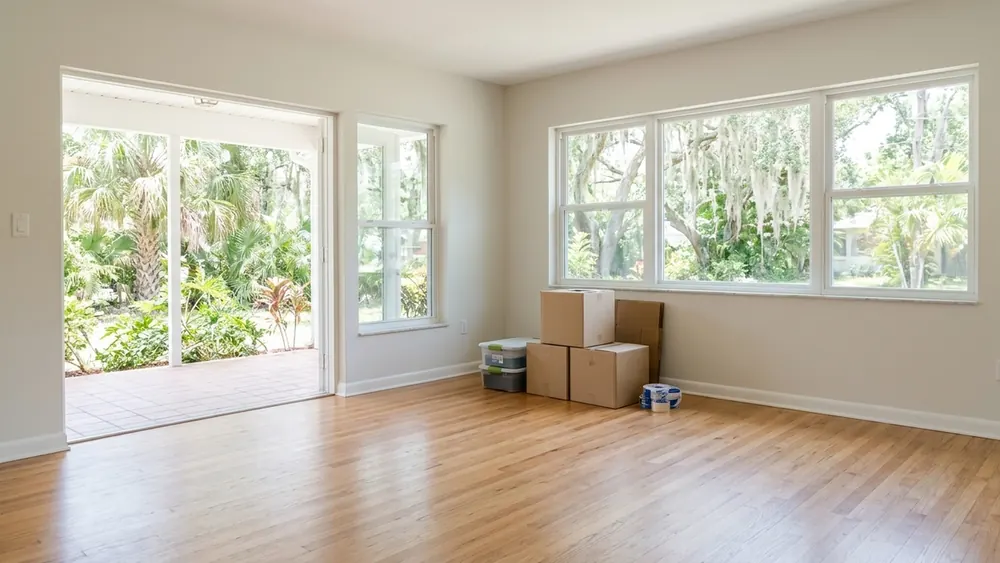
Between an accepted offer and closing on a Tampa home, the buyer inspects, insures and finances the purchase, the title company prepares the transfer, and you respond to requests, plan your move and get ready to sign. Knowing the order keeps it calm.
On this page
The short answer on the stretch to closing
Once you accept an offer on your Tampa home, several things happen side by side. The buyer schedules an inspection, shops for insurance and works through the loan with a lender. The title company checks ownership and prepares the documents for the transfer. You answer questions, respond to any repair requests, keep the home in good shape and plan your move. Closing is where all of those pieces come together.
This stretch matters because it is where most sales either stay on track or run into trouble. An accepted offer is an agreement, not a finished sale. The contract sets out what each side has to do and by when, and the steps between now and closing are how those promises get kept. Knowing what to expect makes it far easier to respond quickly and calmly when something comes up.
You will not handle every step yourself, and you should not try to. Lori Cain keeps the real estate side moving and helps you understand where things stand. The title company handles the transfer, the buyer’s lender handles the loan, and contract or disclosure questions go to a real estate attorney. Your job is mostly to stay reachable, keep your paperwork handy and plan for the day you hand over the keys.
Why the contract sets the pace
Every step after an accepted offer is shaped by the contract you signed. It sets the dates for the inspection, the buyer’s financing and closing, and it explains what happens if one of those steps does not go as planned. Read it closely, ask about anything that is unclear and keep a copy where you can find it. Questions about what a term means or what it requires belong with a real estate attorney.
A simple way to stay oriented is to write the key contract dates on one page and keep it near the phone. Add who is responsible for each step and how you will hear about it. When a request arrives, you can look at the page and see right away where it fits. That small habit turns a stream of calls and messages into something you can follow.
After you accept an offer, I want you to know what is coming next and who is handling it. No surprises is the goal for every closing.
The inspection and what follows it
The buyer will usually hire a licensed home inspector to look at the home soon after the offer is accepted. Make the home easy to inspect: clear access to the attic, the electrical panel, the water heater and the cooling system, and leave the utilities on. You do not need to be there, and many sellers find it easier to step out while the inspector works.
After the inspection, the buyer may ask for repairs, a credit or a change in price, or may simply move ahead. Each request is a decision for you, not an obligation by default, and your contract shapes what your options are. Talk through each request before you answer. Some items are worth fixing, some are better handled another way and some may not be reasonable at all.
If you agree to make repairs, use licensed contractors, get the agreement in writing and keep every receipt. Ask about permits where the work calls for them, and check permit questions with the City of Tampa or Hillsborough County. Finished paperwork belongs with the rest of your closing documents, because the buyer may want to see it before the final walkthrough.
Insurance, financing and the appraisal
While the inspection is underway, the buyer is also getting insurance quotes and working through the loan. Insurance agents and lenders may ask about the roof, the windows, the major systems and any past repairs. This is where the records you gathered before listing pay off. Answering quickly with receipts and dates helps the buyer’s side move ahead without waiting on you.
If the buyer is financing, the lender will often order an appraisal. The appraiser may visit the home, so keep it ready to show. If the appraisal raises questions, the contract and the people you bring in will guide what happens next. Questions about the loan itself belong with the buyer’s lender, and questions about your contract obligations belong with a real estate attorney.
What you can do while you wait
Much of this stretch is waiting on other people, but there is plenty you can do to make closing smoother. Use the time to prepare the home, your paperwork and your move so that the last days do not pile up. A few simple tasks, done early, take a lot of pressure off. Start with these.
- Keep the home clean, maintained and ready for visits by the buyer’s side
- Ask your current lender for a payoff amount if you still have a mortgage
- Book movers and plan when utilities will transfer out of your name
- Gather keys, garage openers, manuals and warranties to leave behind
If you are buying another home at the same time, keep both timelines on one page. A delay in one sale can push the other, so stay in touch with both title companies and both lenders. Ask your tax professional any questions about how the sale affects your taxes before closing day rather than after, while there is still time to plan.
Who handles each step to closing
Between an accepted offer and closing, several people are working at once. Knowing who handles each step tells you who to call when something feels uncertain, and keeps you from expecting one person to answer a question that belongs to someone else. This table shows the main steps and the right person for each, so you can keep it handy until closing day.
| Step | What happens | Who handles it |
|---|---|---|
| Inspection | The buyer’s inspector reports on the home’s condition | A licensed home inspector |
| Repair requests | You decide how to respond to each request | You, with Lori and licensed contractors |
| Buyer’s insurance and loan | The buyer secures coverage and loan approval | The buyer’s insurance agent and lender |
| Title and documents | Ownership is checked and closing papers prepared | The title company |
| Contract and disclosure questions | Terms and duties are explained before you sign | A real estate attorney |
When a step runs long, look at the table and ask the right person what is holding it up and what happens next. Then update the dates on your page. Delays are common and usually ordinary. A seller who knows who to ask can handle them calmly instead of worrying about what is happening behind the scenes.
The final walkthrough and closing day
Shortly before closing, the buyer usually walks through the home one more time. The walkthrough confirms that the home is in the condition the contract describes, that agreed repairs are done and that anything meant to stay is still there. Leave the home clean, leave receipts for completed work where the buyer can see them and make sure everything you agreed to leave behind is in place.
On closing day, you sign the documents that transfer the home, and the title company handles the funds. Ask the title company ahead of time what you need to bring, how signing will work and how you will receive your proceeds. If you will not be in Tampa on closing day, ask early how signing can happen from a distance. Then hand over the keys and the openers.
What to have ready after you accept
The right time to prepare for closing is the moment you accept an offer. Write down the key dates from your contract, the name of each person handling a step and how to reach them. Add your current lender’s details if you have a mortgage, your mover’s plan and the list of items you will leave for the buyer. Keep it all in one place.
If you are getting ready to sell a home in Tampa and want to know what happens after you say yes to an offer, bring that question to Lori. Walk through the steps for your own home and your own timing, so that nothing about closing day feels like a surprise. Tell Lori when you want to move, and plan the rest from there. Which step would you most like explained first?
This article is general information about relocating, buying a second home and researching investment property in Tampa Bay. It is not legal, tax, lending, insurance or inspection advice and does not predict prices, rents or returns. Check flood zones and insurance with official sources and qualified insurance professionals, rental rules with official local sources and the association, financing with a lender, taxes with a tax professional and property condition with a licensed home inspector. Lori Cain, LPT Realty.

Written by