Relocation
How do I buy a Tampa home from out of state?
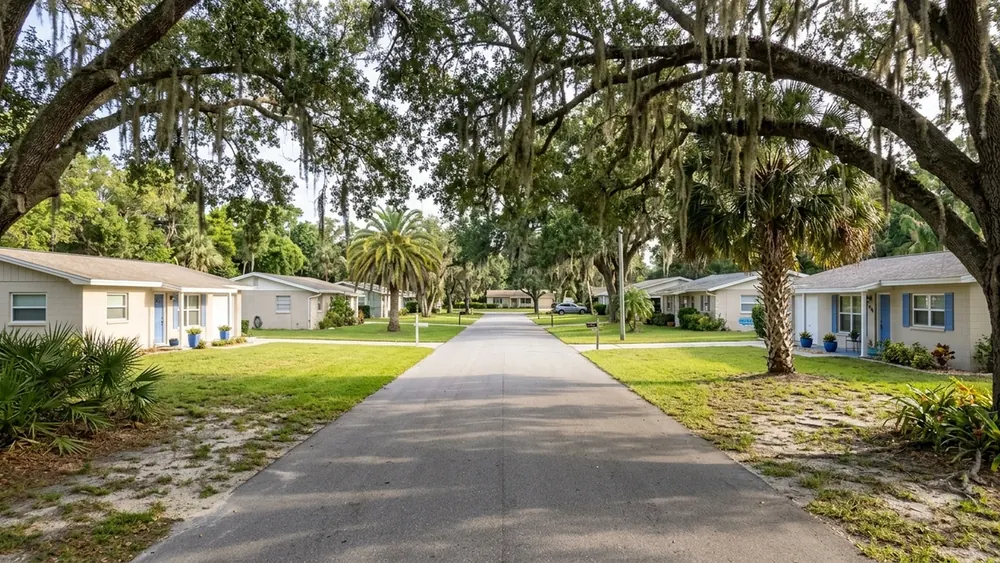
You can buy a Tampa home from out of state by putting the steps in order: compare lenders first, narrow the map around your normal week, tour by video, plan a visit if you can, and confirm remote signing with your title company and lender.
On this page
The short answer for buying from afar
Yes, you can buy a home in Tampa before you live here. It works when the steps happen in the right order. Compare lenders and line up your financing, narrow the search to a few areas that fit your normal week, tour homes by video, plan at least one visit if you can, and confirm with your title company and lender how signing will work from a distance. The distance changes how you handle each step, not whether each step happens.
Order matters more when you are far away, because every gap in the plan is harder to close from another state. A home you like can come up while you are still gathering documents for a lender, or a closing date can arrive before anyone has explained how you will sign. Working out the sequence early means each decision has the information it needs when it shows up. It also keeps you from choosing in a hurry simply because you cannot come back for a second look.
Buying from out of state is mostly a lot of small coordination: calls across time zones, documents to sign, visits to schedule and people to meet in a place you may not know well yet. None of it is unusual, but it runs more smoothly when you know who handles which piece. Lori Cain helps with the real estate side of the move, while the lending, title, inspection and insurance questions go to the professionals whose job it is to answer them.
What to settle before you start touring
Before you watch your first video tour, a few decisions will shape everything that follows. They are worth settling while you are still at home, because each one narrows the search and makes the homes you do see easier to judge. You do not need final answers on all of them, and rough answers are much more useful than none. Start with these and write them down where you can find them again.
- Your target move date and any dates that cannot move at all
- Written estimates from several lenders, compared side by side before touring
- The monthly payment and cash to close that would feel comfortable to you
- What a normal week needs, from work and errands to the people you visit
How to narrow Tampa Bay from a distance
Tampa Bay spreads across Hillsborough, Pinellas and Pasco counties, and searching all of it at once can feel endless from far away. Narrowing it is easier when you compare areas on your own routine rather than on any ranking. Check drive times with current map sources, and keep a short list of places to compare, such as Tampa, Wesley Chapel and St. Petersburg. These questions help you shorten the list without guessing.
- Where you will spend most weekdays, and how you plan to get there
- Whether you picture a house with a yard, a condo or something in between
- How much upkeep you are willing to take on after you move in
- Which areas you can visit in person, even briefly, before you commit
- Which association rules you would accept if a community has an association
Touring homes when you cannot be there
Video tours do much of the work when you live somewhere else. Ask for a live walkthrough rather than a recorded one, so you can ask to see the ceilings, the windows, the view from the back door and the street in both directions. Take notes during each tour and write down what you could not see. A video shows the rooms, but it can miss the sound of a street, a smell or the way the spaces feel together.
Photos and listing descriptions are a starting point, not a substitute for looking. When a home makes your short list, ask about the age of the roof, the windows, past repairs and any mitigation features, because those details come up again when you ask an insurance agent for quotes. Then plan at least one visit if you can, even a short one, to see your top choices and walk the streets around them. A single visit often changes the list.
If a visit is not possible, the inspection carries more weight. A licensed home inspector can walk the home in person and report on its condition, and you can ask for photos and a call to go over the findings together. Treat the report as your eyes on the parts of the house a video cannot show. Ask which items deserve a closer look, and who would be the right person to evaluate each one before you decide.
Financing and signing from out of state
Compare several lenders before you tour seriously, and ask each one for a written estimate so you can see how rates, fees and terms really differ. When you are moving from another state, also ask each lender how they work with a borrower in transition: which documents they need about a new job or income, and how they will keep in touch while you are between homes. Your lender is the right source for every financing answer.
Closing is the step people most often assume will simply work out. Ask your title company and lender early how signing can happen if you are not in Tampa on closing day, what they need from you ahead of time and how funds will be handled. Options can differ from one purchase to the next, so confirm them rather than assume. Knowing the answer early keeps a closing date from turning into a scramble across time zones.
Buying from a distance goes well when the steps happen in the right order. I would rather plan the visit, the inspection and the signing early than rush them later.
When selling or renting changes the plan
If you are selling a home elsewhere, the two timelines affect each other. Decide early whether you need to sell before you can buy, and ask your lender how a sale that has not closed yet affects your financing. Leave room in the plan for delays on either side, because a late closing in one place can push everything in the other. Writing both timelines on one page makes the overlap easy to see and easier to talk through.
Some buyers decide that the simplest way to buy from out of state is to arrive first. Renting first gives you time to learn the area in person and then buy without a video screen in the way. It is a real option with its own trade offs, including a second move, and it deserves an honest comparison with buying right away. Lease questions go to a qualified legal source, and the rest is a conversation about your timing and priorities.
What to gather before a first conversation
Before you talk with anyone, write down your target move date, the dates you cannot change, the monthly payment that would feel comfortable and the cash you could put toward closing. Add a short description of a normal week in your new life: where you will work, what you like to do on weekends and what you want close by. Rough answers are fine. They turn a general conversation into one about your move.
Then gather the pieces your advisers will likely ask for: your lender estimates, any pre-approval letter, a list of homes or areas you have already looked at, and the questions you want to put to an insurance agent or a title company. If you are selling a home elsewhere, add what you know about that timeline too. Keeping everything in one place makes it easier to share, easier to update and easier to act on when the right home appears.
If you are planning a move to Tampa Bay from out of state, the hardest part is often knowing which step comes first. Bring that question to Lori, along with your dates and your short list, and work out an order that fits your move rather than a generic checklist. Tell Lori when you want to move, and plan backward from there. Which step would you most like to have settled before your first visit?
This article is general information about relocating, buying a second home and researching investment property in Tampa Bay. It is not legal, tax, lending, insurance or inspection advice and does not predict prices, rents or returns. Check flood zones and insurance with official sources and qualified insurance professionals, rental rules with official local sources and the association, financing with a lender, taxes with a tax professional and property condition with a licensed home inspector. Lori Cain, LPT Realty.

Written by