Sellers
How should I price my Tampa home?
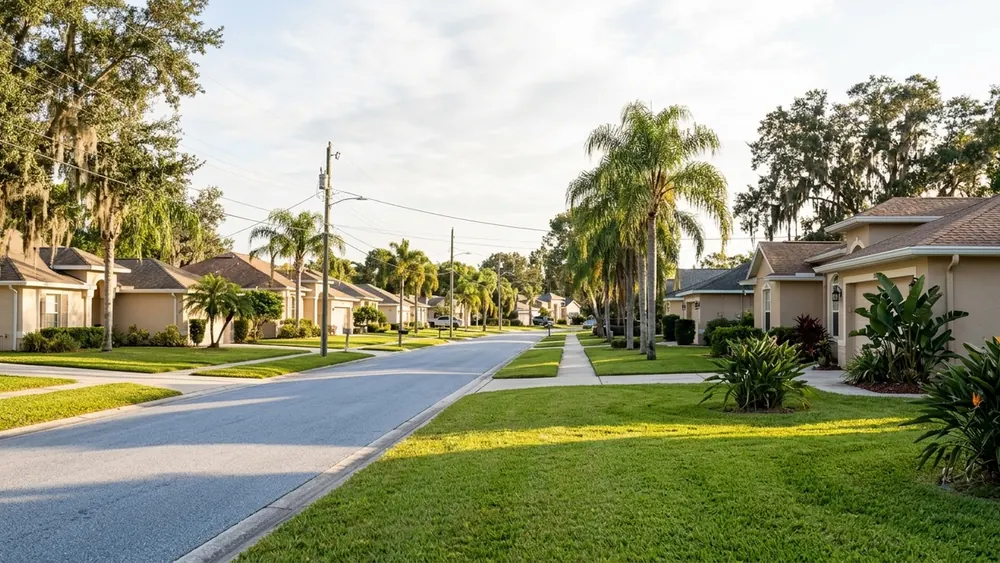
Price your Tampa home from evidence, not hope: recent comparable sales nearby, the condition and features of your home, and what buyers can see today. It is a conversation with Lori based on your home, never a promised figure or result.
On this page
The honest answer on pricing a home
A sound price for your Tampa home comes from evidence: recent sales of comparable homes nearby, an honest look at your home’s condition and features, and what buyers can choose from right now. It is a conversation built on your home and those comparisons, not a number pulled from a website or from what a neighbor hopes to get. The goal is a price you understand and can explain.
That answer can feel less satisfying than a single figure, and that is the point. Nobody can promise what a home will sell for or how quickly it will sell, and anyone who does is guessing. What you can do is understand the reasoning behind a price, so you can weigh it with clear eyes and adjust it calmly if the response from buyers tells you something new. Understanding the reasoning is what lets you make that call yourself.
Pricing is also personal. Your timing, your next move and how much flexibility you have all affect which price makes sense for you. A seller with a firm move date may think about price differently from one who can wait. Lori Cain walks through the comparisons and the trade offs with you, and the decision about where to list stays yours, made with the evidence in front of you.
Why comparable sales come first
Buyers compare your home with the other homes they can buy, and lenders look at comparable sales when a buyer’s loan needs an appraisal. That makes recent sales of similar homes nearby the most useful starting point. Comparable means similar in the ways buyers care about: size, layout, age, condition, lot and location. A sale that looks similar on paper can still differ in ways that matter.
Recent sales tell you more than active listings. A listing shows what a seller is asking, while a closed sale shows what a buyer actually agreed to pay. Both are useful, but they answer different questions. Homes that were listed and did not sell can be useful too, because they often show where buyers drew a line. Looking at all three together gives a fuller picture than any one of them alone.
Comparables are a guide, not a formula. Two homes on the same street can differ in condition, updates and upkeep, and those differences belong in the conversation. This is where knowing the home in person matters. Photos and public records help, but a walk through the rooms often explains why one sale belongs on the list and another does not. Expect the list to change as you learn more about each home on it.
What your home adds to the picture
Once the comparables are gathered, your own home fills in the rest. Think about what a buyer will notice: the condition of the roof and major systems, updates to the kitchen and bathrooms, the layout, the lot and how the home has been cared for. Each of these can move your home closer to one comparable sale or another. Being honest about them now saves disappointment later.
Records help here. Receipts for a newer roof or cooling system, permits for past work and a pre-listing inspection report all support the story your price tells. If something needs repair, it belongs in the conversation too. Some sellers fix it, some price around it and some disclose it and let buyers decide. Questions about what you must disclose go to a real estate attorney.
Association homes add a few more questions. Buyers will want to know the rules, what the association covers and whether anything is planned that could affect owners. Gather the association documents early so you can answer those questions clearly. Whether your home is in Tampa, Brandon or Riverview, the association is the right source for its own rules and plans.
Questions to ask before choosing a price
Before you settle on a list price, it helps to ask a few plain questions out loud. They keep the conversation grounded in evidence and in your own situation rather than in a number you hoped to hear. You may not like every answer, but each one makes the decision clearer. Write your answers down so you can come back to them later.
- Which recent sales are most like my home, and why those ones
- What buyers will compare my home with when they tour this month
- Which features or repairs move my home up or down the list
- How my move date and next purchase affect the price I choose
Answering these together turns pricing from a guess into a plan. It also gives you a reference point. If buyer response later suggests the price needs another look, you can go back to the same questions and see what changed, rather than starting from scratch or reacting to one comment from one showing. That steadiness is worth a lot when emotions run high.
Who answers each pricing question
Pricing touches several kinds of questions, and not all of them are real estate questions. Knowing who answers each one keeps you from relying on a single source for everything, and it keeps each answer in the hands of someone whose job it is. This table shows the main pricing questions and the right person to ask about each.
| Question | Why it matters | Who to ask |
|---|---|---|
| Which recent sales compare to my home | Comparable sales are the starting point for a price | Lori, on the real estate side |
| What condition issues a buyer might find | Condition can move a home up or down | A licensed home inspector |
| What a repair would cost | Helps you decide whether to fix or disclose | Licensed contractors, in writing |
| What I must disclose to buyers | Disclosure duties are legal questions | A real estate attorney |
| How a sale affects my taxes | Tax effects depend on your situation | A tax professional |
Official sources help too. The Hillsborough County property appraiser keeps public records on homes, and those records can help confirm basic details like size and age. They are not a price, and they are not meant to be. Use them to check facts, and keep the pricing conversation focused on comparable sales and the home in front of you.
Assumptions that lead to pricing surprises
The most common surprise comes from pricing around a personal number: what you paid, what you owe, what you spent on upgrades or what you need for the next home. Those numbers matter to your plan, but buyers do not see them. They see your home next to the others they can buy. Keeping those two things separate makes for a clearer conversation and fewer hard feelings later.
Another surprise comes from leaning on a single source, such as an online estimate or one sale down the street. Online estimates cannot walk through your rooms, and one sale may not be a fair comparison. Treat each as a question to explore rather than an answer. The same goes for any figure you hear secondhand. Ask where it came from and whether it really matches your home.
What to gather before a pricing conversation
You can make a pricing conversation far more useful with a little preparation. Bring what you know about your home, what you have changed and what still needs attention. Rough notes are fine. The point is to put the facts on the table so the comparisons can be fair, and so nothing important gets missed. Make sure your notes include the following.
- Updates and repairs you have made, with receipts where you have them
- Anything you know needs work, even if you have not priced it yet
- Your target move date and any dates that cannot change
- Association documents and rules, if your home has an association
Once that page exists, you have something concrete to talk through. Bring it to Lori, and look at the comparable sales together with your home and your timing in view. Tell Lori when you want to move, and work out a price you understand and can stand behind. What would you most like to know about how buyers will see your Tampa home?
This article is general information about relocating, buying a second home and researching investment property in Tampa Bay. It is not legal, tax, lending, insurance or inspection advice and does not predict prices, rents or returns. Check flood zones and insurance with official sources and qualified insurance professionals, rental rules with official local sources and the association, financing with a lender, taxes with a tax professional and property condition with a licensed home inspector. Lori Cain, LPT Realty.

Written by