Buyers
How do I make a strong offer on a Tampa home?
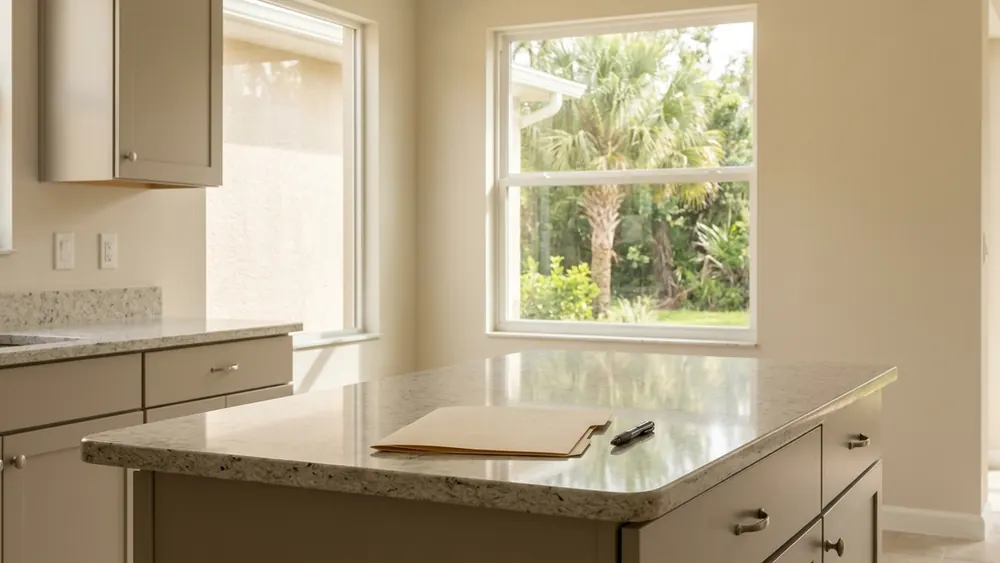
A strong offer on a Tampa home is clear, complete and ready to stand behind: financing lined up, a price grounded in recent comparable sales, terms that suit the seller as well as you, and every protection you keep understood before you sign.
On this page
The short answer on a strong offer
A strong offer on a Tampa home is one the seller can trust and you can stand behind. It comes with financing already lined up, a price grounded in recent comparable sales and the home’s condition, terms that work for the seller as well as for you, and a clear understanding of every protection you keep or give up. Strength comes from preparation and clarity far more than from any single number.
This matters because a seller weighs more than price. An offer that is complete, easy to follow and backed by a lender who can answer questions often reads as more reliable than one that is vague or missing pieces. At the same time, a strong offer should never be one you regret. The aim is an offer you would be glad to see accepted, not one written in a hurry to win.
Making an offer brings several people into the picture at once. Lori Cain helps with the real estate side: reviewing comparable sales with you, shaping the price and terms and presenting the offer. Your lender answers financing questions, a licensed home inspector looks at condition, an insurance agent quotes coverage, and a title company or real estate attorney handles questions about the contract and closing.
Preparation that makes an offer stronger
Most of the work behind a strong offer happens before you find the home. Compare several lenders, ask each for a written estimate and get a pre-approval from the one that fits you, so your financing is ready when the right home appears. Gather the documents your lender is likely to ask for, and keep them organized. Being able to move calmly and quickly is one of the most useful advantages a buyer can have.
It also helps to know your own limits before emotions get involved. Decide the highest monthly payment you would be comfortable with, the cash you could put toward closing and the conditions that would make you walk away from a home. Talk with an insurance agent early about the kinds of homes you are considering, so coverage questions do not appear for the first time after your offer is accepted.
The strongest offers I see are written by buyers who prepared before they found the home. When your financing and your limits are settled, you can decide with a clear head.
Deciding what price to offer
The price you offer is a decision, not a formula. It starts with recent comparable sales: homes nearby that are similar in size, age, condition and features. Lori can walk through those sales with you and explain how this home compares, including what it offers that others did not and what it may need. That conversation gives you a grounded starting point rather than a guess based on the asking price alone.
Condition belongs in the price conversation too. A home that needs a new roof or major repairs is a different purchase from one that does not, even if the photos look similar. Your notes from touring, and any questions you raised about systems and upkeep, all help shape what you are willing to pay. If a repair question is serious, you may want a contractor’s opinion before you decide.
Finally, the price has to fit your own limits. Ask your lender how a given price would affect your loan and your monthly payment, including taxes, insurance and any association dues. A price that looks reasonable on paper can feel very different once the full monthly cost is clear. No one can tell you what a home will be worth later, so the right price is one you are comfortable with today.
Terms that matter as much as price
An offer is more than a price. It also covers your proposed closing date, the deposit you put down, how you are paying and the conditions under which you can step back, often called contingencies. Common ones relate to financing, an appraisal and the inspection. Each one protects you in a particular way, and each one also affects how the seller sees your offer, so they deserve careful thought.
Before you shorten, change or give up any protection, make sure you understand what it means for you. Ask a real estate attorney or your title company how a given term works in your contract, and ask your lender how financing and appraisal conditions fit their process. A term that makes an offer more appealing can also add risk. Knowing that trade off ahead of time is part of making an offer you can stand behind.
Questions to settle before you sign
Once you have chosen a home and a price, a few questions are worth settling before your signature goes on anything. Talking them through in advance keeps the moment of signing calm and keeps you from agreeing to something you did not fully consider. None of them has a single right answer. Each one simply needs your own answer, written down.
- The highest price you would pay, and the reason behind that limit
- Which protections you want to keep, and what each one covers
- The closing date that fits your plans and your lender’s process
- Who will hold your deposit, and what happens to it if plans change
Bring the contract questions to a real estate attorney or your title company, and the financing questions to your lender. It also helps to think through how each choice might look from the seller’s side and how it fits the rest of your plan. With those answers in hand, you can sign knowing what you have agreed to rather than hoping it works out.
Who to ask about each part of an offer
An offer touches several areas at once, and it helps to know who to call about each one before the pressure is on. Some questions belong on the real estate side, while others belong to professionals who handle lending, contracts, condition or coverage. This table sets out the main parts of an offer, why each one matters and the right person to ask.
| Part of the offer | Why it matters | Who to ask |
|---|---|---|
| Offer price | Grounded in recent comparable sales and condition | Lori, on the real estate side |
| Financing and pre-approval | Shows the seller you can complete the purchase | Your lender |
| Inspection protection | Gives you a clear view of the home’s condition | A licensed home inspector |
| Insurance coverage | Coverage can shape the monthly cost and the loan | An insurance agent |
| Contract and closing | Sets your deposit, protections, dates and signing | A title company or real estate attorney |
Keeping these people lined up before you make an offer pays off once the clock starts. When an inspection is booked, an insurance quote is needed and the lender asks for documents all at once, you will already know who to call. That makes the stretch between an accepted offer and closing far smoother, and it keeps small questions from turning into last minute surprises.
When a home draws more than one offer
Sometimes a Tampa home you like draws interest from other buyers too. When that happens, it is tempting to stretch every part of your offer at once. Instead, go back to your limits and the protections you decided to keep. A clean, complete offer with financing ready and terms that suit the seller can stand out, but no approach guarantees an outcome, and losing a home is better than overpaying for it.
If a home does not work out, use what you learned. Note what mattered to the seller, how your terms compared and whether your limits still feel right. That reflection makes your next offer clearer. Homes in Tampa, and in nearby places such as Brandon or St. Petersburg if you are looking there too, will keep coming up, and a buyer who stays prepared is ready when the right one does.
Getting ready before the right home appears
You can do much of the work on a strong offer today, before you have chosen a home. Compare several lenders and get a pre-approval, write down your price and payment limits, decide which protections matter most to you and line up a licensed home inspector, an insurance agent and a title company. Keep those notes in one place, so you are ready to act without rushing when the time comes.
If you are getting close to making an offer on a home in Tampa, bring your questions and your notes to Lori. You can talk through comparable sales, the terms that matter to you and the trade offs of each choice, without any pressure to decide on the spot. Every Tampa move goes better with a plan, and an offer is where that plan pays off. What would help you feel ready to make yours?
This article is general information about relocating, buying a second home and researching investment property in Tampa Bay. It is not legal, tax, lending, insurance or inspection advice and does not predict prices, rents or returns. Check flood zones and insurance with official sources and qualified insurance professionals, rental rules with official local sources and the association, financing with a lender, taxes with a tax professional and property condition with a licensed home inspector. Lori Cain, LPT Realty.

Written by